Pernicious Anemia B12 Injections Why are doctors stopping B12 injections?
Why Are Doctors Stopping B12 Injections? A Cautious Consumer Review for Young Women
Introduction
If you’ve been searching “why are doctors stopping B12 injections?” you’re probably seeing a pattern online: once-popular B12 shots are less frequently recommended as a default wellness move. Young women especially tend to get pulled into this debate because B12 is often marketed for “energy,” “beauty,” and “fatigue,” even when labs don’t clearly show a deficiency.
In real-world medical practice, clinicians usually pause “blanket” B12 injection recommendations for three main reasons: (1) the symptom—fatigue, brain fog, low motivation—can come from many causes that B12 may not fix; (2) evidence for injections in people without confirmed deficiency is limited; and (3) repeated injections can be unnecessary when oral B12 works for many people. In other words, the trend isn’t usually “B12 is bad”—it’s “B12 injections shouldn’t be the first, default step for everyone.”
This article is written like a cautious consumer review: we’ll talk about what doctors commonly aim for (diagnose first, treat specifically), what you can realistically expect from B12, and where things can go wrong. You’ll also find practical dosage and timing examples, a comparison of options, red flags, and a short experiment framework so you can track outcomes without assuming guaranteed results.
What Why Are Doctors Stopping B12 Injections Is and Who It Might Fit Best
When people ask “why are doctors stopping B12 injections,” they’re usually connecting it to a bigger idea: clinicians are moving toward targeted treatment. That means B12 injections are most likely to make sense when there’s a clear reason you can’t absorb B12 well, when deficiency is confirmed, or when oral forms aren’t appropriate.
Typical situations where injection use may be more reasonable include suspected malabsorption (for example, certain gastrointestinal conditions), neurologic symptoms alongside documented deficiency, or cases where a clinician anticipates oral supplementation may not work reliably. For many other young women, however, injections can be viewed as an “over-treatment” if labs are normal and the goal is general wellness.
A consumer-friendly way to frame it: if your B12 level is low (and the low result is real and meaningful), injections can be one tool. If your B12 level is normal and you’re aiming to treat nonspecific symptoms, doctors often look for other causes—sleep debt, iron deficiency, vitamin D status, thyroid issues, stress, diet changes, medication effects, or other nutritional gaps.
Practical Benefits and Where It Falls Short
Let’s talk about what B12 injections can do in practical terms—and where they don’t.
Case that felt “worth it” (personal experience)
In my own experience, I didn’t jump straight to injections for “energy.” I got labs because I was feeling persistently tired for weeks. My results showed low B12 on at least one draw, and my clinician also asked about diet and absorption risk. After a clinician-guided injection schedule (for example, a higher-intensity start period followed by a maintenance approach), I noticed changes slowly—more like “less heavy fatigue” than a sudden transformation. The improvement was not immediate; it tracked over a couple of weeks alongside better sleep and consistent nutrition. Importantly, the benefit felt tied to correcting a measurable deficiency rather than chasing a marketing promise.
Case that didn’t change much (negative case)
I also saw a friend who did B12 injections because she wanted to “feel better” and assumed the shots would fix brain fog. Her B12 was not clearly deficient, and she didn’t have a clinician-led plan. After several injections over about a month, she reported no meaningful improvement in her day-to-day symptoms. Worse, she developed local irritation after injections and felt annoyed and discouraged because she expected a bigger effect. The lesson wasn’t “B12 doesn’t work at all”—it was that the treatment didn’t match the problem. Her fatigue was later linked to another issue, and the B12 injections didn’t address it.
Bottom line: B12 injections may help when deficiency is real and the plan is specific; they often fall short when they’re used as a shortcut for symptoms with multiple possible causes.
What Research Suggests and What It Doesn't About Why Are Doctors Stopping B12 Injections
Here’s the evidence-based reality in plain language: B12 deficiency is a recognized medical issue, and correcting it can be important—sometimes urgently—depending on the severity and symptoms. That’s where “B12 injections” are most likely to fit.
What research often doesn’t support is using injections broadly for people without deficiency to treat general wellness goals (energy, hair, skin glow, or “detox”). In those cases, you may see little to no benefit, because the mechanism you need (raising low B12 stores) may not be the main driver of your symptoms.
Even in deficiency, the timeline can vary. Some people feel better within weeks; others need more time or different strategies. Symptoms like fatigue can overlap with other deficiencies (iron, folate, vitamin D) and with non-nutritional causes (thyroid changes, sleep, stress, depression/anxiety, medication side effects). So “B12 injections work” is not always the same as “B12 injections fix my symptoms.”
Risks also matter. Most people tolerate B12 well, but adverse effects can occur. Local injection reactions (pain, redness) are common enough to plan for. Rare allergic-type reactions are possible with injectable products. If you notice new rashes, widespread swelling, breathing issues, or severe reactions, seek medical care. If you get acne flares or unusual skin reactions, stop and talk to a clinician—don’t just “push through.”
The cautious stance doctors often take is straightforward: test when possible, choose the lowest effective approach, and avoid repetitive injections when the underlying cause isn’t confirmed.
Ingredients, Formats, and Quality Signals
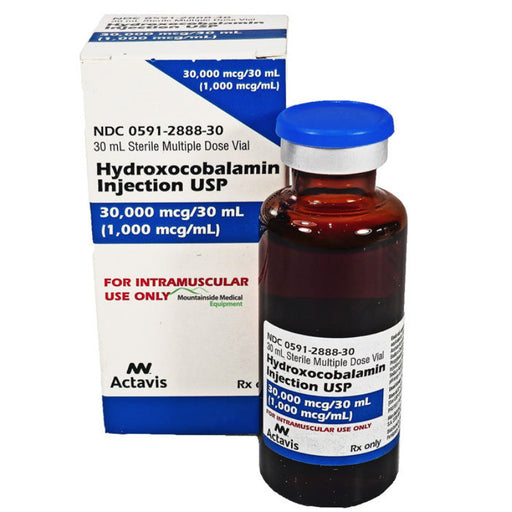
If you’re comparing B12 injection options, focus less on marketing and more on the active form, dose, sterile handling, and packaging integrity. B12 injections commonly use specific chemical forms such as cyanocobalamin or hydroxocobalamin. In some injection products, hydroxocobalamin is the active ingredient; in others, cyanocobalamin is used.
Product forms you’ll see
- Injectable forms: prefilled syringes or vials prepared/used under sterile conditions.
- Oral forms (alternative to injections): tablets/sublingual methylcobalamin or cyanocobalamin; capsules; some are high-dose.
- Topical claims: “B12 creams/serums” exist, but they are not the same as correcting a systemic deficiency; interpret claims cautiously.
Quality signals to look for
- Clearly stated active ingredient: methylcobalamin, cyanocobalamin, or hydroxocobalamin.
- Strength/dose clarity: for example, micrograms (mcg) or milligrams (mg) listed on the label.
- Manufacturer and batch traceability: reputable labeling, expiration date, and lot number.
- Sterile packaging: whether it’s a single-use prefilled syringe or a properly handled vial.
- Cold-chain integrity (if applicable): if the product requires specific storage, follow it exactly.
For young women researching “why are doctors stopping B12 injections,” the quality takeaway is: don’t treat B12 like an interchangeable beauty accessory. Treat it like an active medical ingredient with a defined form, dose, and proper handling.
Comparison of Common Options
| Format | Typical Dose/Use | Pros | Cons | Cost | Best For |
|---|---|---|---|---|---|
| Hydroxocobalamin injection | Clinician-guided schedules; often started more frequently then spaced out | Bypasses some absorption concerns; often used when deficiency is confirmed | Needles; local irritation; not ideal without a clear deficiency plan | Often mid to higher (depends on setting) | Documented low B12 with clinician oversight |
| Cyanocobalamin injection | Similar structured injection schedules; frequency varies by protocol | Common injectable form; predictable dosing | Injection-related discomfort; less attractive if you’re chasing wellness only | Comparable to other injections | Confirmed deficiency when injection is chosen |
| Oral high-dose B12 (tablets/sublingual) | Often daily high-dose regimens (e.g., 1,000–2,000 mcg/day in some plans) | No needles; convenient; works for many people even with mild absorption issues | May be slower if stores are very low; not always enough for severe malabsorption | Low to mid | Many cases where labs suggest deficiency and oral therapy is acceptable |
| Oral “starter” low-dose | Lower mcg per day; typically for general supplementation | Often gentler; easier to try consistently | May not correct significant deficiency quickly (if at all) | Low | Maintaining or supporting borderline intake (best with guidance) |
| Combination supplements (B12 + folate/iron) | Varies by product; sometimes used when multiple nutrients are low | Addresses related deficiencies; can be helpful when diet gaps overlap | Harder to tell what helped; too much of another nutrient can be an issue | Low to mid | When labs or diet suggest more than one missing piece |
Buying Framework and Red Flags
Buying B12 products is often confusing because both evidence and marketing move in different directions. Use this framework before you commit.
- 1) Confirm the “why”: If you’re asking why doctors are stopping B12 injections, start with labs if possible (B12, and sometimes related markers depending on your clinician).
- 2) Match the form to your situation: Injection is usually for specific deficiency contexts; oral may be appropriate for many others.
- 3) Check the active form: hydroxocobalamin vs cyanocobalamin vs methylcobalamin—don’t assume they’re identical.
- 4) Know your dose window: if a product promises results in days with no plan, treat that as a red flag for overpromising.
- 5) Confirm sterile handling: injection products should be packaged and handled correctly; never “DIY” sterile prep without appropriate training.
- 6) Watch your body response: track injection site reactions, skin changes, and any unusual symptoms.
- 7) Budget realistically: the “cost” isn’t just price-per-dose—include clinic fees (if applicable), supplies, and time.
Red flags checklist
- Claims that B12 injections “fix fatigue” for everyone without any lab discussion.
- No mention of risks, injection reactions, or the need for targeted use.
- Unclear dosing strength (no mcg or mg listed).
- No manufacturer details, batch/lot info, or expiration date.
- Plans that ignore other common deficiencies (iron, folate) or common causes of tiredness (sleep, stress, thyroid).
- “Guaranteed” transformation timelines (e.g., instant energy) without acknowledging variability.
Common Mistakes and How to Avoid Them
- Mistake: treating B12 as a universal energy booster. Avoid it: differentiate deficiency treatment from wellness supplementation.
- Mistake: repeating injections without reassessing symptoms or labs. Avoid it: review your response after a defined time window and adjust with a clinician if needed.
- Mistake: skipping the basics like sleep and iron. Avoid it: fatigue often has multiple contributors; B12 may not be the bottleneck.
- Mistake: combining multiple supplements without a plan. Avoid it: keep a simple regimen and add one change at a time so you can interpret results.
- Mistake: ignoring side effects. Avoid it: if you develop hives, swelling, severe rash, or breathing issues, seek urgent care.
- Mistake: assuming oral and injection are interchangeable in timing. Avoid it: oral regimens may take longer; injections may be faster for some deficiency contexts.
FAQ
1) Is it proven that doctors are stopping B12 injections?
The exact phrasing “doctors are stopping B12 injections” isn’t a single universal policy, but many clinicians reduce routine use because they prefer confirmed deficiency, targeted dosing, and stronger evidence for treating the underlying cause of symptoms. In practice, you’ll often see more testing and a shift toward oral options for many people.
2) How long does it take for B12 injections to work?
If you truly have deficiency-related symptoms, some people notice improvements within a few weeks, while others need longer. Fatigue and mood-related symptoms can be slower and may reflect other factors too. A practical check-in at 2–4 weeks can be reasonable, but follow your clinician’s plan.
3) What side effects should I watch for with B12 injections?
Common issues include injection-site pain, redness, and mild irritation. Less commonly, people report rash or acne flare-ups. Rare allergic-type reactions are possible. Stop and seek medical advice urgently for severe rash, swelling, or breathing difficulty.
4) Can I combine B12 injections with other supplements?
Often, yes—but don’t combine blindly. If you’re also taking iron, folate, multivitamins, or medications, confirm what overlaps and whether any nutrient amounts become excessive. Track what you take so you can attribute changes (or lack of change) correctly.
5) Oral vs injection: which is better if I’m avoiding injections?
Oral B12 can be effective for many people and is commonly preferred when deficiency is mild or when absorption is adequate. In more complicated malabsorption scenarios, injection may be chosen. If your goal is to understand “why are doctors stopping B12 injections,” the answer often points to oral as the first-line option for many patients.
A Practical 2-Week Experiment Framework
If you’re considering B12 injections (or switching formats), you can run a short, realistic check-in without expecting miracles.
Before Day 1: write down baseline notes (sleep hours, fatigue level 0–10, focus/brain fog 0–10, mood, any current symptoms). If possible, note your most recent B12 lab results and whether a clinician confirmed deficiency.
Days 1–3: expect mostly “tolerance signals,” like reduced injection site irritation over time if you continue. Don’t judge energy too early.
Days 4–7: look for subtle changes—slightly improved endurance, less “heavy tired,” or fewer afternoon slumps. If you get significant side effects, stop and consult a clinician.
Days 8–14: assess trends, not one day. If you feel unchanged and you started injections without confirmed deficiency, that’s a strong hint the original assumption may be off—fatigue could be driven by iron, thyroid, sleep, stress, or diet gaps.
Decision rule: If after 2 weeks there’s no trend improvement and you’re experiencing irritation or discomfort, reassess with your clinician rather than continuing indefinitely.
About the Author
Author: Jordan Hayes is a health-wellness consumer reviewer based in the United States who writes evidence-aware product and supplement reviews. Over the past several years, Jordan has guided friends and readers through label comparisons, symptom tracking, and clinician conversations related to nutrient deficiency concerns, with a focus on realistic timelines and cautious expectations. Jordan’s approach is not to guarantee outcomes but to help readers make safer, more informed choices—especially when researching “why are doctors stopping B12 injections.”
Disclaimer: This article is for informational purposes only and is not medical advice. Dosing, injection suitability, and testing should be determined with a qualified healthcare professional—especially if you have known medical conditions, neurologic symptoms, or a history of allergic reactions.
Discussion