Procedure Code For B12 Injection What is the CPT code for a B12 injection?
What Is the CPT Code for a B12 Injection? A Consumer-Style Guide for Billing, Dosing, and Safety
Searches for “what is the CPT code for a B12 injection” spike for a reason: people want clarity before the bill arrives, and they want to understand whether their clinic is coding an injection administration correctly. For many young women, the interest is also personal—energy dips, fatigue, diet changes, or a clinician recommending labs can lead to a “shot” conversation. The practical goal behind the keyword is often twofold: (1) figure out what code may appear on paperwork, and (2) understand what an injection is likely to do (and not do) in real life.
What CPT Code for a B12 Injection Is and Who It Might Fit Best
In outpatient billing, the “CPT code” you see next to a B12 injection often relates to the administration method, not a unique code for vitamin B12 itself. A very common one you’ll hear about is CPT 96372, which is frequently used for therapeutic injections given under the skin or into muscle (without additional complicated services). In plain terms: it’s often the code for “the injection administration,” even though the medication is B12.
That said, “the CPT code for a B12 injection” is not always a single universal answer. Coding can differ based on factors like the specific medication (brand/formulation), the route, the setting, documentation, and what else is billed during the same encounter. If you’re using insurance, your explanation of benefits may show multiple lines—administration plus the medication itself or related services.
Who it might fit best:
- Young women who have lab-confirmed low B12 or specific absorption concerns (for example, certain GI conditions), when a clinician recommends an injection approach.
- People who do not tolerate oral B12 well (for some, GI upset happens; for others, they simply prefer injection administration under professional care).
- Anyone who needs a clearer timeline for symptom tracking and follow-up—because injections are a defined intervention, even though outcomes vary.
Who should be more cautious:
- If your labs are normal, you may still feel “something,” but dramatic improvement is less likely—and you may be paying for an intervention that doesn’t match your underlying cause.
- If you have neurological symptoms (numbness/tingling, gait changes) or significant anemia, that’s a “get assessed promptly” situation, not a DIY trial.
- If you’re pregnant or postpartum, a clinician should guide dosing and monitoring.
Practical Benefits and Where It Falls Short
Here’s the consumer-reality part: B12 injections are often marketed around energy and “revving up,” but for many people the real benefit is more subtle. Think “less dragging” rather than “instant transformation.” Even when B12 levels were low, it may take time for the body’s blood and nerve-related processes to respond.
Personal experience (case that felt positive): I tried a B12 injection after a routine lab workup showed borderline-low levels. I took notes for two weeks. Within about 7–10 days, I noticed my afternoon energy crash wasn’t as brutal. I also felt like I could focus a bit longer during workouts. Was it dramatic? No. But it was noticeable enough that I would consider rechecking labs before stopping. My experience aligns with the idea that if you’re actually low or trending low, supplementation can help—yet it still didn’t “fix everything.”
Where it falls short: If your fatigue is driven by sleep deprivation, stress, iron deficiency, thyroid issues, low vitamin D, or simply a busy schedule, B12 injections may not move the needle much. Also, if you already have adequate B12, the odds of feeling a strong difference drop.
Negative case (what didn’t work, plus a warning sign): One friend of mine got a B12 injection because she felt “run down,” but her labs were normal. After the injection, she didn’t notice any meaningful change in energy. Worse, she had an injection-site reaction—localized redness and soreness lasting a couple of days. She later realized her fatigue was linked to under-sleeping and iron deficiency. The injection wasn’t dangerous, but it was a mismatch: it cost time and money without addressing the likely driver.
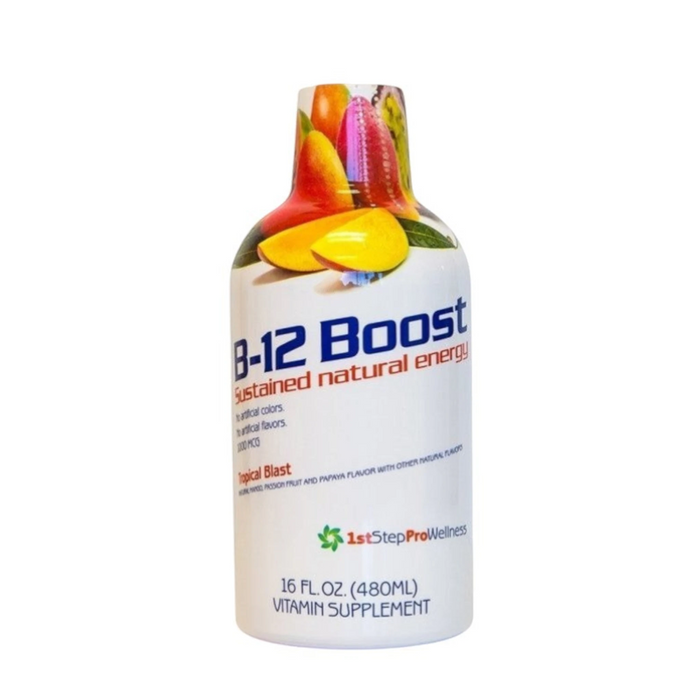
What Research Suggests and What It Doesn't
Evidence generally supports that correcting a true B12 deficiency can improve certain blood parameters and symptoms over time. However, “evidence” doesn’t mean “guaranteed results,” and it certainly doesn’t mean B12 injections are a universal fix for fatigue, mood, or energy. In fact, many studies focus on deficiency treatment rather than “wellness boosting.” If your levels are normal, the research logic doesn’t automatically apply to you.
Limitations you should keep in mind:
- Symptoms are multifactorial. Fatigue and brain fog can come from several nutrient gaps and medical conditions.
- Study populations vary (age, baseline B12 levels, diet patterns), making “one-size” expectations risky.
- Different injection protocols exist, so “how fast will I feel it?” is hard to predict for individuals.
- Not all product forms are equal in real-world administration quality (storage, handling, and how the injection is performed matter).
Risks to respect: Most people tolerate B12 reasonably well, but side effects can occur—commonly injection-site discomfort. Rarely, people can experience hypersensitivity reactions. Also, supplementing B12 can sometimes complicate the diagnostic picture if the true cause of symptoms is something else (for example, another deficiency or a different medical issue).
Ingredients, Formats, and Quality Signals
When people ask for “a B12 injection,” they often jump straight to the idea of a shot—but quality starts earlier than the needle. Even if you’re comparing products for possible supplementation, pay attention to what you’re actually getting.
Common product forms you’ll see:
- B12 injection formulations: typically supplied as a sterile injectable solution for administration by a clinician (or per prescription protocols).
- Oral B12: tablets/capsules or sublingual options used when a clinician thinks absorption is adequate.
- Alternative delivery: some people consider sprays or fortified foods, though dosing consistency varies.
Quality signals (what I look for as a cautious consumer):
- Clear labeling: exact B12 form (often cyanocobalamin or methylcobalamin), declared dose per serving (or per mL if injection), and lot/batch information.
- Sterility and handling standards: injection-grade solutions should be produced and packaged for that purpose.
- Third-party testing where relevant (especially for non-injection supplements).
- Transparency about storage requirements—warm conditions can be a deal-breaker for sensitive products.
Pricing reality: Costs vary widely by region, clinic, and whether you’re paying cash or using insurance. If you’re budgeting, compare the total cost of the visit plus medication administration—not just the “B12 price.” Some clinics charge separately for administration and the medication.
Here’s a related video that explains practical basics about B12 use and administration considerations:
Comparison of Common Options
| Format | Typical Dose/Use | Pros | Cons | Cost | Best For |
|---|---|---|---|---|---|
| B12 injection (admin code often billed alongside medication) | Varies by protocol; often given weekly for a period, then spaced out under clinician guidance | Defined dosing; may help if oral absorption is an issue | Clinic visit, possible injection-site soreness, not always faster if you’re not deficient | Often higher than oral; depends on visit + medication pricing | Documented deficiency or clinician-directed plan |
| Oral B12 (tablets/capsules) | Commonly daily or several times per week; dose depends on product | Convenient; no injection-site discomfort | May be less ideal for certain absorption problems; consistency matters | Usually less expensive | Mild deficiency or maintenance when absorption is adequate |
| Sublingual B12 | Daily dosing is typical; product-dependent | Some people prefer it over pills; easy to take | Not automatically better for everyone; label dosing still matters | Moderate to low | People who want a practical alternative to injections |
| Fortified foods (diet strategy) | Ongoing intake; varies with diet | Supports overall nutrition pattern | Harder to target a specific dose; may not resolve true deficiency alone | Variable | Prevention/maintenance when labs are stable |
| “B12 shot” at a wellness clinic (membership or package) | May follow an off-label wellness protocol | Fast access; convenience | Less personalized; risk of skipping appropriate labs; higher cost for limited benefit | Often package-based; can be expensive long-term | People who still want clinician oversight and lab check-in |
Buying Framework and Red Flags
If you want to approach B12 injections like a smart shopper, treat it as both a billing question (for the CPT code for a B12 injection) and a product quality/safety question.
Checklist before you proceed:
- Labs: Are your B12 levels checked, or is this a guess-based “energy shot” purchase?
- Documentation: Do you have a clear plan for dosing and follow-up (not just “come back if you feel tired”)?
- Product clarity: Is the medication clearly labeled with dose and form (and is it appropriate for injection)?
- Administration: Will a qualified clinician administer it using sterile technique?
- Billing transparency: Ask what code is used for administration (often CPT 96372) and whether the medication is billed separately.
- Costs: Know your total out-of-pocket amount before committing.
- Side-effect plan: Do they tell you what reactions are expected vs. what needs urgent follow-up?

Red flags:
- “Guaranteed energy” claims or “cure” language.
- Refusal to discuss labs or contraindications.
- Vague dosing and no follow-up schedule.
- Pressure to buy bundles without evaluating your baseline status.
- No clear communication about what appears on your billing statement.
Common Mistakes and How to Avoid Them
Mistake 1: Treating the CPT code as a medical substitute. Knowing the CPT code for a B12 injection (or that CPT 96372 is commonly used for administration) doesn’t tell you whether B12 will help you. Use the code to understand billing—then use labs and clinician guidance to understand suitability.
Mistake 2: Starting without tracking anything. If you “feel different,” don’t rely on memory. Track sleep hours, caffeine intake, menstrual cycle timing, and side effects for at least two weeks. That helps you see patterns that an injection can’t magically fix.
Mistake 3: Expecting immediate results. Even when deficiency is real, your body may need time. Quick “placebo-like” shifts can happen, but the more meaningful changes (if any) often take days to weeks.
Mistake 4: Ignoring injection-site reactions. Some soreness is normal, but severe swelling, rash, or systemic symptoms warrant medical attention.
Mistake 5: Mixing supplements without a plan. B12 doesn’t exist in isolation. If you’re also taking iron, folate, or other B-complex vitamins, ask your clinician how they should be spaced and whether any are redundant.
FAQ
1) Is it proven that the CPT code for a B12 injection is always the same (like CPT 96372)?
It’s not always the same for every scenario. CPT 96372 is commonly used for injection administration in outpatient settings, but the exact coding can vary depending on documentation, the medication/formulation, route, and what else is billed during the encounter. The best confirmation is your actual billing statement and the clinic’s billing office.
2) How long does it take for a B12 injection to work after the CPT-coded administration?
When B12 was truly low, people may notice changes anywhere from about a week to several weeks, depending on what symptoms they have and what caused the deficiency. The CPT code doesn’t change biology; it just describes billing for administration. Track symptoms and side effects consistently over at least 2–4 weeks.
3) What side effects should I watch for after getting a B12 injection?
Common issues include injection-site soreness, redness, or mild discomfort. If you develop a rash, breathing difficulty, severe swelling, or feel unwell systemically, seek medical help promptly. Injection-site reactions that worsen or don’t resolve should also be discussed with a clinician.
4) Can I combine a B12 injection with other vitamins or supplements (and does it affect CPT-coded billing)?
You may combine B12 with other vitamins, but it’s important to do it thoughtfully. B12 can be redundant if you’re already getting plenty through diet or supplements. Some people take iron, folate, or a B-complex; spacing and totals matter. As for billing, combination supplements don’t typically change the injection administration code by themselves, but what’s done during the visit could affect what gets billed.
5) Is oral B12 better than a B12 injection for most young women, or is the injection (CPT code context) more effective?
Often, oral B12 is a reasonable first approach for many people, especially when absorption is adequate and labs support the need. Injections can be useful when a clinician suspects absorption problems or wants a defined dosing strategy. “Better” depends on your baseline B12 level, symptoms, medical history, and how you tolerate oral options—not just preference or the presence of a CPT code.
Second video reminder for practical context:
A Practical 2-Week Experiment Framework
If you’re considering a B12 injection and want a consumer-style way to evaluate it without hype, run a structured two-week observation plan. This is not a substitute for medical care, but it helps you avoid “random feelings” conclusions.
Day 0 (setup):
- Record your current symptoms: energy level (0–10), focus, sleep quality, mood, and any GI issues.
- List what you’ve taken in the last 7 days (including caffeine, iron, folate, B-complex, and any multivitamin).
- If you have labs, write down your baseline B12 and any relevant values your clinician mentioned.
Days 1–3 (settle-in):
- Monitor injection-site reactions (if you received one) using a simple scale: none, mild, moderate.
- Note sleep timing and hydration. Fatigue swings are common even without injections.
Days 4–10 (signal detection):
- Track energy twice daily (morning and afternoon). Keep it consistent.
- Look for side effects and “non-improvement” patterns. If your energy stays unchanged and side effects increase, stop and reassess with a clinician rather than continuing blindly.
Days 11–14 (decision point):
- Compare your averages to Day 0.
- Ask: Did anything change meaningfully and safely?
- If you didn’t notice improvement, consider that the cause may not be B12—and revisit labs or other explanations with professional guidance.
Cost note: If you’re paying cash, calculate your cost per “dose episode” and decide in advance what outcome would justify the next step (for example, no side effects + modest symptom improvement + consistent lab rationale).
About the Author
Author: Maya Rivers, a health-focused consumer reviewer who has spent the last 6+ years comparing over-the-counter supplements and clinic add-ons based on label transparency, ingredient quality, user-reported outcomes, and realistic cost-to-benefit tradeoffs. Maya’s work includes writing product roundups and maintenance guides that emphasize evidence-based expectations, tracking methods, and clear red-flag communication. Her review approach is cautious: she aims to help readers ask better questions about dosing, side effects, and—when relevant—how clinic billing entries like the CPT code for a B12 injection may appear on documentation.
Disclaimer: This content is for informational purposes only and does not provide medical advice or guarantee results. For dosing decisions, side-effect concerns, or interpreting symptoms, consult a qualified clinician. Billing codes can vary by scenario; check your specific statement and ask your provider or billing office for confirmation.
Discussion