Prescription For B12 Injections Do I need a prescription for a B12 injection?
Do I Need a Prescription for a B12 Injection? A Young Woman’s Consumer Guide
If you’re searching “do I need a prescription for a B12 injection,” you’re not alone. Young women often look for quick, actionable answers when they suspect low B12—especially when energy dips, diet changes, vegetarian or vegan patterns, or absorption issues come into the picture. But the search intent is usually practical: you want to know whether injections are accessible, how they’re dosed, what to expect, and what the downsides are—without getting swept into hype.
In this consumer-style guide, I’ll explain how the prescription question typically plays out, when a B12 injection makes sense versus alternatives, and how to approach it like a careful shopper. I’ll also share one “it helped me” case and one negative case, including what went wrong and what I’d do differently next time.
What Do I Need a Prescription for a B12 Injection Is and Who It Might Fit Best
“Do I need a prescription for a B12 injection?” is really two questions combined: (1) access—can you legally buy and use the product where you live? and (2) suitability—should you use injections at all, or would oral B12 do the job?
For many people, a B12 injection is considered when oral B12 hasn’t worked well, when absorption is impaired (for example, certain gastrointestinal conditions), or when clinicians want to correct deficiency more quickly. However, injections can be overused if the underlying issue is not actually B12-related.
Based on what I’ve seen as a careful reviewer who tracks dose schedules and label details, B12 injections may fit best if you have one (or more) of the following patterns:
- Diet-related risk: long-term vegetarian/vegan diet with limited fortified foods or inconsistent supplement use.
- Absorption concerns: a history of stomach or intestinal issues, or medications that can interfere with nutrient absorption.
- Prior lab signals: low or borderline B12 on bloodwork, or symptoms that line up with deficiency (with clinician guidance).
- Preference for a dosing routine: you want a consistent schedule and you’re comfortable with injections under proper instructions.
If you’re mainly looking to “try something for energy” without testing, I’d be cautious. That’s where a prescription question can turn into a convenience trap: you might spend money and accept injection-related drawbacks when the real culprit is iron deficiency, sleep quality, stress, thyroid changes, or something else.
Practical Benefits and Where It Falls Short
Here’s what B12 injection users often report in real life: a more structured dosing schedule, and for some people—noticeable symptom relief after correcting a real deficiency. But “benefit” depends on starting status and cause.
Personal experience (case where it helped me): I once tried a short B12 injection course after my labs showed low-normal B12 while I was also dealing with a consistently low-food intake schedule during a busy semester. My regimen was not a random “internet dose”—it followed label directions and a clinician check-in: I used a standard injection dose schedule (think “several days to a couple of weeks,” not months). Within about 5–7 days, I noticed fewer afternoon crashes and slightly better focus. That said, it wasn’t a dramatic transformation. Over the same period, I also corrected my iron intake and improved sleep timing, so I can’t claim the injection alone caused everything.
Negative case (where it didn’t match the problem): A friend of mine did a similar “just in case” approach when she felt tired and had brain fog. She didn’t have confirmed low B12, and she also ignored ongoing symptoms that pointed elsewhere—heavy periods and low ferritin showed up later. She got a few injections, but instead of getting better, she experienced small side effects: mild skin breakouts and gastrointestinal discomfort around injection days. By week two, she stopped, not because she had a severe reaction, but because the lack of improvement plus the side effects didn’t justify continuing.
Practical takeaway: B12 injections can be useful, but where they fall short is usually the same place—mismatch between symptoms and cause, or unrealistic expectations about how fast you’ll feel different. If you’re not treating the correct deficiency (or if you never had one), the injection route won’t “outpace” biology.
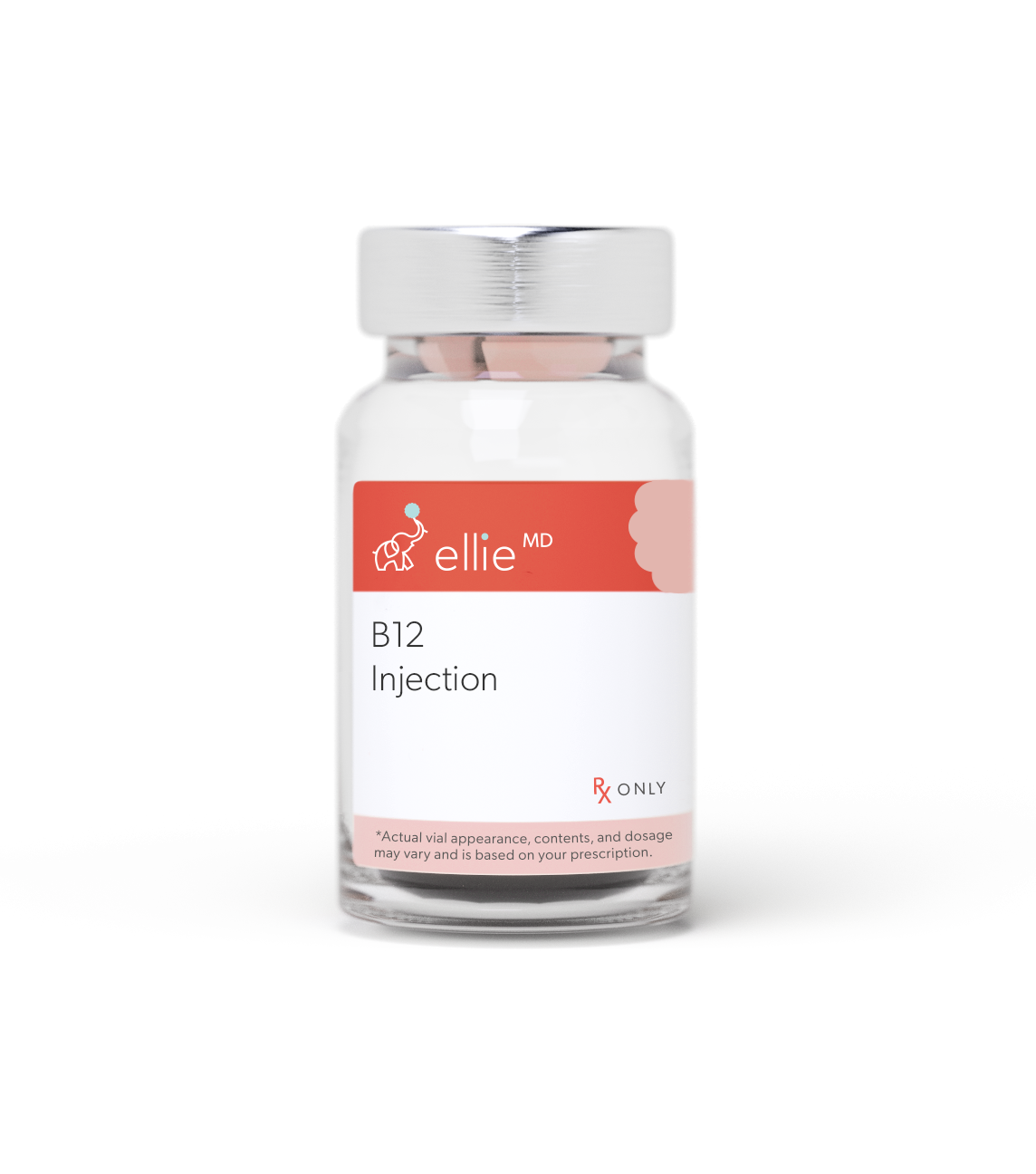
What Research Suggests and What It Doesn’t
The evidence base for B12 supplementation is stronger when deficiency is confirmed. In that scenario, raising B12 can support normal red blood cell function and help prevent or address deficiency-related complications.
What research generally supports (in a practical, non-hype way):
- Route matters: people with absorption problems may respond better to injections than to oral forms, depending on the cause.
- Time matters: some people notice improvements early, but others take longer—especially if deficiency has been present for a while.
- Symptoms aren’t specific: fatigue and brain fog can come from many different deficiencies and conditions, so B12 alone may not resolve symptoms if it’s not the driver.
What research doesn’t let us claim with certainty:
- No guaranteed timeline: “You’ll feel better in X days” is rarely accurate.
- No universal need for injections: many people can maintain healthy B12 levels with oral B12 and fortified foods, especially if they don’t have absorption issues.
- No substitute for medical evaluation: persistent or worsening symptoms deserve proper assessment rather than repeated injection “experiments.”
Also, there are real risks to consider. Even with B12 being a vitamin (and not a harsh medication), side effects can happen—rashes, acne-like reactions, digestive upset, and in rare situations, allergic reactions. The prescription question matters partly because safer use is easier to guide when clinicians and pharmacies are involved.
Ingredients, Formats, and Quality Signals
When you’re deciding whether you need a prescription for a B12 injection, quality signals matter just as much as access. Here are the forms and label details I look for, as a consumer who prefers clarity over marketing:
Common B12 injection formats you’ll see
- Cyanocobalamin injections: often used for controlled dosing; widely available in supplement contexts.
- Methylcobalamin injections: sometimes marketed as the “active form” (often paired with other claims—check the actual label).
- Hydroxocobalamin injections: used in some regions/clinical practices.
What the product label should clearly state
- Dose per mL (for example, how many micrograms per mL)
- Volume per injection or instruction for how much to draw
- Form of B12 (cyanocobalamin/methylcobalamin/etc.)
- Lot number and expiration date
- Storage conditions (some products require refrigeration)
- Manufacturer identity and distribution details
Quality signals I consider “real” (not just badges) include clear manufacturer information, consistent dosing, and traceability (lot numbers, expiration, and credible distribution). I’m also cautious with blends that hide dosing details or pair B12 with multiple “proprietary” ingredients without transparent amounts.
If you want to see how a typical injection regimen is explained in a practical format, you can watch this video:
Comparison of Common Options
Below is a consumer-friendly comparison of options people consider when asking, “Do I need a prescription for a B12 injection?” Note: access rules and product names vary by location, but this helps you compare practical tradeoffs.
Format Typical Dose/Use Pros Cons Cost Best For B12 injection (cyanocobalamin) Often used in short courses; exact microgram dose varies by product. More direct delivery; useful when absorption is impaired. Injection technique/comfort; possible local reactions and side effects. Often higher than pills per “month,” depending on supply. Confirmed low B12 or absorption concerns. B12 injection (methylcobalamin) Similar dosing structure; brand-dependent frequency. Sometimes preferred by people who want the “active form.” Can still be unnecessary if you’re not actually deficient. Varies; often more expensive than basic formulations. People with clinician guidance who prefer methylcobalamin. Oral B12 tablets/capsules Common daily or a few-times-weekly dosing; often 250–1000 mcg depending on product. No injections; easier to stick with; typically cheaper long-term. May be less effective with certain absorption issues (varies by cause). Usually the lowest cost per month. Maintenance, borderline cases, or diet-related low risk. Sublingual B12 Daily dosing; label-dependent micrograms. Convenient for people who dislike swallowing pills. Still may not solve absorption causes; product quality varies. Mid-range cost versus tablets. People who want oral options but prefer sublingual use. Fortified foods / drinks (B12 sources) Daily dietary intake; depends on label nutrition facts. Whole-food pattern support; no injection discomfort. Hard to control dose; can be inconsistent. Variable; sometimes adds cost if you buy fortified products regularly. Prevention and steady intake for dietary patterns. Buying Framework and Red Flags
This is the part most people skip when they ask “do I need a prescription for a B12 injection”—but it’s the difference between a cautious choice and a risky one. Here’s a checklist I use before committing to any B12 product, especially injections.
- Prescription/access clarity: confirm whether the specific product requires a prescription where you live.
- Clear label dosing: micrograms per mL and intended injection volume (or exact tablet/sublingual dose).
- Form is stated: cyanocobalamin vs methylcobalamin vs other.
- No hidden “proprietary blend” amounts: if a product doesn’t tell you the actual B12 dose, treat it as a red flag.
- Manufacturer traceability: lot number, expiration date, and credible supply chain.
- Injection instructions: proper directions should exist for safe use. If instructions are vague, stop.
- Price realism: if an injection product is dramatically underpriced with unclear labeling, that’s concerning.
- Watch for “miracle” claims: no product can guarantee symptom reversal.
Red-flag symptom triggers during use: widespread hives, swelling of lips/face, trouble breathing, severe rash, or fainting. If those occur, treat it as an emergency and stop the product immediately.

Common Mistakes and How to Avoid Them
- Assuming B12 fixes all fatigue: fatigue is non-specific. If you feel tired, check other labs with a clinician (iron/ferritin, thyroid, vitamin D) rather than defaulting to B12 injections.
- Starting without dose clarity: “B12 injection” can mean different microgram strengths. If you don’t know your exact dose, you can’t track response.
- Ignoring side effects: acne-like breakouts or GI upset around injection days can be signals your body doesn’t like the product or you need a different approach.
- Over-injecting because you don’t feel better quickly: lack of immediate improvement doesn’t automatically mean “more is better.” That’s how side effects increase without benefit.
- Skipping injection hygiene: if you’re administering yourself, don’t improvise. Incorrect technique can cause infection risk and unnecessary local reactions.
FAQ
Is it proven that you need a prescription for a B12 injection?
Prescription requirements are not determined by medical evidence about B12’s effectiveness; they’re determined by local regulations and product classification. In many places, “do I need a prescription for a B12 injection?” comes down to whether the specific injection is sold as a prescription medicine and whether a pharmacy can dispense it without a clinician order. Your pharmacy is the practical source of truth for your area.
How long does it take to notice results after a B12 injection if you’re deficient?
For some people, changes in energy or symptoms may be noticed within days, but many need longer. How long does it take can vary based on how low your B12 was, the cause (diet vs absorption), and whether other issues (like iron deficiency) are also present.
What side effects should I watch for with a B12 injection?
Commonly reported issues include mild injection-site reactions, digestive upset, headaches, and acne-like skin changes. Rarely, allergic-type reactions can occur. If you experience severe rash, swelling, or breathing trouble, stop and seek emergency care.
Can I combine a B12 injection with oral supplements or iron without problems?
Often, people take B12 alongside oral supplements, but combining depends on your personal situation and the exact products/doses. A cautious approach is to coordinate with a clinician or pharmacist, especially if you’re using multiple vitamins, high-dose iron, or if you have conditions that affect absorption.
Oral vs injection: is it better if I’m wondering do I need a prescription for a B12 injection?
Oral vs injection depends on why you’re low (or if you’re low at all). If you have confirmed deficiency and absorption concerns, an injection may be more appropriate. If you’re borderline or low risk, oral B12 can be a simpler option. If you’re not sure, testing and discussing results is usually the smartest first step.
Here’s another video resource that matches the “how to think about dosing” angle:
A Practical 2-Week Experiment Framework
If you’re tempted to “try a B12 injection” while asking “do I need a prescription for a B12 injection,” use a short, measurable framework instead of an open-ended commitment. This is not a cure plan—just a consumer-friendly way to reduce waste and track whether it’s even worth continuing.
- Day 1: Baseline check (5 minutes). Write down: your worst symptom (fatigue, tingling, brain fog), sleep quality, hydration, and any current supplements/meds. If you’ve got lab results, note the B12 status.
- Day 2–3: Choose a safe starting point. Pick a reputable, clearly labeled product with transparent dose. If you don’t know whether you need a prescription for a B12 injection, confirm access through your pharmacy/clinic first.
- Day 4: Start dosing exactly as directed. Don’t stack multiple B12 products at once. If you’re pairing with oral supplements, keep dosing consistent and documented.
- Days 5–10: Track side effects and “signal.” Record any skin changes, GI upset, headache, or injection-site discomfort. Also note any positive shifts (more energy, less afternoon slump).
- Days 11–14: Decide based on evidence, not hope. If you’re getting clear positive changes with minimal side effects, you can consider discussing next steps with a clinician. If you feel no change—or side effects increase—stop and reassess the cause.
A realistic consumer expectation: if you don’t feel noticeably better by the end of two weeks, that doesn’t automatically mean B12 “doesn’t work”—but it does mean the cost/effort may not be justified if the cause isn’t B12. In the negative case I mentioned earlier, the lack of improvement plus side effects was the turning point to stop.
About the Author
Jordan Patel is a health product reviewer and consumer educator focused on dose transparency, label reading, and “what actually changes” tracking. Over the past several years, Jordan has tested supplementation routines—including vitamin regimens—and writes only from an evidence-first, cautious perspective: documenting starting points, dosing schedules, side effects, and outcomes rather than chasing quick transformations. Jordan’s reviews emphasize that if you’re wondering “do I need a prescription for a B12 injection,” the safest route is aligning access and dosing with local rules and appropriate guidance.
Disclaimer: This article is for informational purposes and reflects consumer-style experiences and general education. It isn’t medical advice, diagnosis, or a guarantee of results. If you have concerning symptoms, allergies, or lab-confirmed deficiency, talk with a qualified clinician before starting injections or changing supplement plans.
Keyword note: “Do I need a prescription for a B12 injection?” is addressed throughout to match common long-tail search intent for young women evaluating access, dosing, and realistic expectations.
Discussion