Needles For B12 Injections Can I do my own B12 shots at home?
Can I Do My Own B12 Shots at Home? A Cautious, Consumer-Style Guide
Can I do my own B12 shots at home? It’s a question that shows up again and again—especially among young women who are busy, weight-conscious, sometimes vegan/vegetarian, and often trying to make sense of fatigue or “off” energy levels. It’s also popular because online discussions make it sound simple: get a vial, use a syringe, and repeat. But the more I read and the more I’ve talked to other people who tried it, the more the honest answer becomes: it can be doable for some, but it’s not risk-free, and it’s not automatically the best choice.
This guide is written like a consumer review: objective, cautious, and focused on what you can practically expect. I’ll cover who B12 shots at home may help, what you can do to reduce risk, and where the plan commonly fails—both in “it worked for me” stories and in “it went sideways” experiences. You’ll also see how product format (injection vs oral), dosing, and quality signals matter more than hype.
What Can I Do My Own B12 Shots at Home? Is and Who It Might Fit Best
B12 (cobalamin) is a vitamin your body needs for red blood cell formation and normal nerve function. When your intake or absorption is low, B12 levels can drop, sometimes leading to symptoms like fatigue, weakness, dizziness, mouth sores, numbness/tingling, and changes in mood or concentration. The reason the keyword “can I do my own B12 shots at home?” is getting attention is that people want a faster, more controlled approach than waiting for a prescription refill cycle or a clinician visit.
Who it might fit best:
- People with confirmed or strongly suspected B12 deficiency who have discussed treatment options with a clinician.
- People who don’t respond well to oral B12 or have absorption issues (for example, certain gastrointestinal conditions).
- People who already understand injection basics, can follow sterile technique, and feel comfortable with measuring doses accurately.
- People who have a clear plan (dose, frequency, re-test timeline, and what symptoms to monitor).
Who should be especially cautious: If you have neurologic symptoms (progressive numbness/tingling, trouble walking), unexplained anemia, or complex medical histories, self-injection without clinical guidance can be a mistake. In these situations, it’s not just about “doing the shot”—it’s about confirming that B12 is actually the problem.
Practical Benefits and Where It Falls Short
Let’s talk like a consumer: the appeal of can I do my own B12 shots at home? is mostly convenience and consistency. If you’re dosing on schedule, you avoid time off work, transportation costs, and the “appointment lottery.” For some people, injections can also feel more straightforward than managing daily tablets.
Personal experience case (it went reasonably well): One young woman I know—early twenties, mostly vegetarian, and busy with classes—had low B12 on lab work. She asked her clinician about options, chose an injection plan, and used supplies prescribed or recommended by the clinician. For her, the practical benefit was routine: she scheduled her injections for the same time of day, tracked side effects (mainly mild soreness), and rechecked labs at the agreed interval. She reported that her energy didn’t instantly “snap back,” but within a couple of weeks she felt less foggy and clearer. Her biggest win wasn’t the shot itself—it was the structure and follow-up.
Negative case (failure mode I’d avoid repeating): Another person—also a young woman—took it upon herself to inject B12 after reading forums, without confirming deficiency. She used a product that wasn’t clearly labeled for her intended purpose and guessed at dosing frequency. Within days she felt more anxious and “wired,” which she first blamed on caffeine and stress. By the time she sought care, she had more than just fatigue going on, and it turned out B12 wasn’t the primary driver (and the product plan hadn’t been aligned to lab results). In this case, the risk wasn’t just the uncertainty of whether B12 shots at home would help—it was that self-treatment delayed the right diagnosis and introduced avoidable injection risks.
Common shortfalls:
- No confirmed diagnosis: You may spend time and money injecting when the root cause is iron deficiency, vitamin D deficiency, thyroid issues, sleep apnea, or something else.
- Incorrect dosing: Too much too often can increase the chance of side effects or complicate interpretation of lab changes.
- Sterility problems: Improper technique can lead to irritation or infection at the injection site.
- Confusing products: Some “B12” products are not the same formulation or concentration people assume, especially when buying online.
What Research Suggests and What It Doesn't
Here’s where a cautious review matters: research supports that B12 replacement can improve B12-related deficiency and some symptoms when deficiency is real—but it doesn’t mean every injection fixes everything quickly, and it doesn’t mean home injection is automatically safe.
What research tends to support:
- B12 deficiency can be treated with replacement, and the form (injection vs oral) can matter depending on absorption.
- Oral B12 can work for many people, including those without severe absorption problems.
- Neurologic symptoms are the area where clinicians tend to be more careful and proactive, because nerves may need timely appropriate therapy.
What research doesn’t support as a blanket statement:
- Guaranteed symptom relief for everyone who asks “can I do my own B12 shots at home?” Symptoms overlap with many other issues, so relief varies.
- Universal superiority of injections. For some people, oral routes may be equally effective when absorption allows it.
- Safety without proper technique. Self-injection can still carry risks like localized reactions, infection, and inaccurate dosing.
Risk emphasis (plain language): The main risks with B12 shots at home aren’t usually “serious reactions out of nowhere”—they’re often practical: contamination, using the wrong product, injecting incorrectly, or continuing a plan when labs/symptoms don’t match the assumption that B12 deficiency is the cause.
Ingredients, Formats, and Quality Signals
If you’re trying to decide whether can I do my own B12 shots at home?, look beyond “B12” on the label. The form and quality signals determine whether you’re actually doing what you think you’re doing.
Product forms you’ll commonly see:
- Injectable B12: typically delivered as a sterile solution in a vial or prefilled syringe. Labels should clearly state concentration (e.g., mcg/mL), volume, and intended route.
- Oral B12 tablets: often cyanocobalamin or methylcobalamin.
- Sublingual B12: tablets or lozenges intended to dissolve under the tongue.
- Fortified foods/supplements: cereals, nutritional yeast, and fortified plant milks.
- Alternative delivery (less common): some products market nasal sprays or “mucosal” forms, but these vary widely in dosing clarity.
Ingredients to pay attention to:
- Active B12 form (commonly cyanocobalamin, methylcobalamin, or hydroxocobalamin depending on product).
- Additives (stabilizers, preservatives, sterile ingredients). If the label is vague, that’s a quality red flag.
- Concentration clarity: you want clear dosing instructions and understandable labeling.
Quality standards and signals (consumer checklist):
- Clear labeling for strength, concentration, and intended route.
- Manufacturing trust: reputable pharmacy/brand channels, not “mystery vials.”
- Packaging integrity: sealed, non-damaged, with legible batch/expiration info.
- Consistent dosing plan: you’re not just “winging it” after searching online.
- Follow-up plan: a timeline for re-checking B12 and related markers if your clinician recommends it.
Comparison of Common Options
| Format | Typical Dose/Use | Pros | Cons | Cost | Best For |
|---|---|---|---|---|---|
| Injectable B12 (self-administered if prescribed) | Often weekly or as directed after a deficiency plan; varies by product and clinician guidance | Precise dosing schedule; can be preferred for absorption concerns | Injection technique required; sterility risk; not ideal if diagnosis is unclear | Typically mid to higher per month (depends on vial type and supplies) | Confirmed deficiency or clinician-guided plan when oral isn’t suitable |
| Oral B12 tablets | Daily dosing; strength varies (e.g., microgram-level ranges depending on label) | No needles; easy adherence; widely available | Absorption may be an issue for some people; less immediate if deficiency is significant | Often low to mid | People who can absorb B12 and prefer non-injection options |
| Sublingual B12 | Daily lozenge/tablet; varies by brand | Needle-free; may be convenient | Evidence and dosing consistency vary by product; not a fit if you need clinician-level replacement urgently | Low to mid | People who want a needle-free routine and have mild deficiency or prevention goals |
| Fortified foods (diet-based) | Daily/regular intake through fortified items | Whole-food approach; supports nutrition broadly | Harder to dose precisely; may not correct a significant deficiency quickly | Varies widely by food choices | Prevention or maintenance when deficiency is less likely |
| “Alternative delivery” (e.g., nasal sprays) | Use per label; dosing can vary substantially | Needle-free | Inconsistent dosing clarity; product variability; less standard than injections/oral | Often mid to high | People who have tried oral and want another route—ideally with clinician oversight |
Buying Framework and Red Flags
If you’re considering can I do my own B12 shots at home?, use a buying framework that focuses on safety first, not just the convenience of ordering.
Checklist before you buy (quick but serious):
- Do I have a dosing plan? (frequency + amount) from a clinician or a clearly labeled protocol.
- Is the product clearly labeled with concentration, expiration date, and intended route?
- Is it from a reputable channel (pharmacy/brand) with batch info?
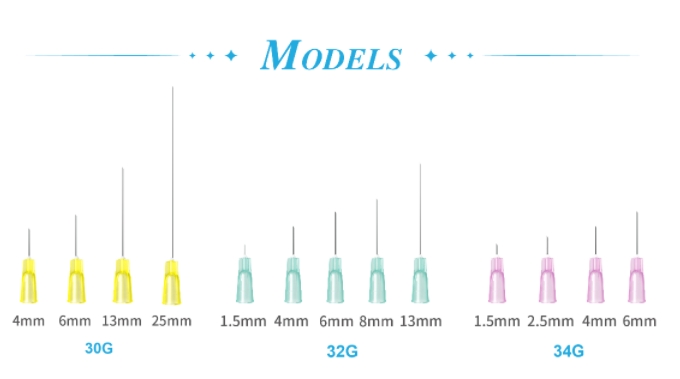
- Do I have the right supplies (syringes/needles appropriate for injection type, sterile alcohol wipes, sharps disposal)?
- Do I know what symptoms to watch and when to stop and seek care?
- Do I have a re-test timeline (if appropriate) rather than guessing based on how you feel?
Red flags to treat as “don’t buy”:
- Vague labeling (no concentration, unclear route, unclear dosing).
- No batch/expiry info or packaging damage.
- Pressure to buy bundles without a dosing plan or clinical context.
- Inconsistent product types (mixing forms without understanding differences).
- Claims of instant transformation. If marketing promises guaranteed outcomes, it’s a signal you should slow down.

Common Mistakes and How to Avoid Them
Here are mistakes people make when asking can I do my own B12 shots at home?—and how to reduce the chance of repeating them.
- Skipping lab confirmation: If you suspect deficiency, it’s smarter to test before self-treating. Symptoms overlap too much.
- Using “estimated” doses: Don’t convert dosing based on guessing. Use exact labels and clinician-provided instructions.
- Using the wrong product form: Cyanocobalamin vs methylcobalamin vs hydroxocobalamin may have different contexts. Stick to the plan you chose with eyes open.
- Not tracking response: Mood, fatigue, and energy can be influenced by sleep, stress, iron levels, and hormones. Track symptoms briefly but consistently.
- Continuing injections when nothing changes: If your symptoms don’t improve and labs don’t support deficiency, it’s time to reassess rather than “push through.”
- Ignoring injection-site reactions: Mild soreness is one thing; increasing redness, warmth, swelling, or pain is another. Treat those as stop-and-check signs.
FAQ
Is it proven that can I do my own B12 shots at home? will help if I feel tired?
Evidence supports that replacing B12 helps when you truly have B12 deficiency, but fatigue can have many other causes. If you’re not sure your levels are low, self-injection can be a guess rather than a proven fix.
How long does it take after can I do my own B12 shots at home to notice a difference?
People’s timelines vary. Some notice changes in days to weeks, while others need longer. If there’s no meaningful improvement and your labs don’t match B12 deficiency, that’s a sign to re-evaluate your plan.
What side effects can happen if I do can I do my own B12 shots at home?
Common experiences can include injection-site soreness or mild reactions. Less common issues may include allergic-type reactions or symptoms that feel “off.” If you develop concerning neurologic symptoms, spreading rash, or worsening pain/redness, seek medical advice promptly.
Can I combine can I do my own B12 shots at home with oral B12 supplements?
Sometimes people do, but it’s not automatically a good idea. Combining can complicate dosing interpretation, and the best approach depends on your confirmed levels and clinician advice. If you combine, keep the plan simple and track lab timing.
Oral vs injection: is it better if my question is can I do my own B12 shots at home?
Oral routes can work for many people and avoid needle-related risks. Injections may be preferred when absorption is impaired or when a clinician recommends that route. The “better” choice depends on your diagnosis and tolerance.
A Practical 2-Week Experiment Framework
If you’re determined to approach can I do my own B12 shots at home? thoughtfully, here’s a framework that focuses on safety and learning—not hype or guarantees.
Before you start (Day 0):
- Set a clear baseline: how you feel (energy, focus, tingling/numbness, mood), plus any current supplements/medications.
- Confirm your dosing plan and product labeling. If the plan isn’t clear, pause.
- Plan what “stop” looks like (worsening neurologic symptoms, escalating injection-site reaction, severe rash, or anything that feels medically urgent).
Week 1:
- Day 1: Do the scheduled injection (if you’re already cleared for self-administration and the product matches the plan).
- Days 2–4: Track injection-site comfort and systemic feelings. Mild soreness can be normal; worsening redness/warmth is not.
- Day 5–7: Note any changes in fatigue, “brain fog,” or other symptoms—without expecting instant transformation.
Week 2:
- Day 8 (or next scheduled dose): Repeat only if you’re following the same verified plan and you didn’t have concerning reactions.
- Days 9–13: Continue symptom tracking. If symptoms worsen or you feel “more off,” consider pausing and seeking guidance.
- Day 14: Write a short summary: what improved, what didn’t, and what you’d change (e.g., switching to oral if injections aren’t tolerable, or asking for labs if deficiency isn’t confirmed).
Important: Two weeks is a learning window, not a definitive “success” test. B12 replacement decisions should be anchored to your underlying cause and (when appropriate) lab follow-up.
About the Author
Jordan Ellis is a health product reviewer and content writer based in the UK with a background in consumer health education and long-form editorial work. Over the past 5 years, Jordan has reviewed supplement formats, ingredient labels, and routine adherence strategies, including documenting real-world experiences with B12 products across different routes (oral vs injection) and compiling red-flag checklists for readers. Jordan’s disclaimer: this article is for educational purposes only and reflects common consumer experiences—not medical advice. If you’re asking can I do my own B12 shots at home? because you suspect a deficiency or have neurologic symptoms, talk with a qualified clinician about diagnosis, dosing, and whether self-injection is appropriate for you.
Discussion