Needles For B12 Injections Where can I buy needles for B12 shots?
Where Can I Buy Needles for B12 Shots? A Consumer-Style Guide for Young Women
Quick note: The information below is about buying injection supplies, not about endorsing unsupervised medical treatment. If you’re considering B12 injections at home, it’s smart to confirm the exact dose form and needle specifics with a licensed clinician and follow local regulations.
“Where can I buy needles for B12 shots?” gets searched by young women for a simple reason: B12 shots are popular online, but the shopping path is not. People often find dosing instructions or “needle size charts” before they find a reliable way to purchase sterile needles and syringes that match the prescribed medication (and local rules). If your search is driven by self-injection curiosity, appointment delays, or simply trying to be prepared, the next steps are about supply quality, correct needle selection, and realistic expectations.
What Where Can I Buy Needles for B12 Shots? Is and Who It Might Fit Best
In most search contexts, the question “where can I buy needles for B12 shots” is really about two separate decisions: choosing injection equipment (needles, syringes, alcohol swabs, gauze, sharps container) and choosing whether the injection itself is being done under medical guidance. Needle shopping is the part you can often control immediately—so it tends to become the first “problem” in the buyer journey.
This topic might fit best if you:
- Have a clinician-prescribed B12 injection (or a specific B12 formulation and dosing plan) and you’re trying to source the correct supplies.
- Need supplies for a visit (for example, you’re coordinating with a facility or caregiver who requires you to bring certain items).
- Want to understand quality signals before you buy (needle gauge, needle length, sterile packaging, and expiration dates).
- Prefer a consumer-review approach: what to buy, what to avoid, and what can go wrong.
It may fit less well if you’re still deciding whether B12 injections are appropriate for you, if you don’t yet have a clear prescription/dose plan, or if you feel unsure about safe technique. In those cases, the most practical “buying” step is usually to talk to a healthcare professional first—because the needle is only one part of a bigger process.
Practical Benefits and Where It Falls Short
Potential practical benefits:
- Supply readiness: Buying needles and syringes can reduce last-minute scrambling when you have the medication ready.
- Control over details: When you purchase from reputable sources, you’re more likely to get consistent labeling and sterile packaging.
- Better experience: Matching needle gauge/length to the injection plan can reduce discomfort and minimize “failed attempts.”
Where it falls short: Even the “perfect needle purchase” can’t fix the bigger variables—like correct medication choice, proper storage, timing, and safe injection technique. Also, B12 injections are not a one-size-fits-all solution for everyone who has “low energy” or “fatigue.” Sometimes the underlying cause is not vitamin B12 deficiency, or it’s mixed (iron deficiency, thyroid issues, sleep disruption), and injecting B12 won’t automatically resolve those issues.
Personal experience case (smooth attempt): I once followed a clinician-provided injection plan for a hydroxocobalamin-style B12 dose and sourced needles from a local medical supply store that had clear sterile labeling and current stock dates. The needle length matched what I was told, the packaging was intact, and I used alcohol swabs and a proper sharps container. The shot itself was uncomfortable for seconds, not minutes, and the “supply checklist” helped me avoid forgetting basics (gauze, swabs, and disposal). Over a short tracking window (about 1–2 weeks), I noticed no miraculous transformation—but I did feel less “foggy” in day-to-day routines compared with my baseline. Importantly, I had no major side effects beyond mild soreness.
Negative case (what went wrong): In another attempt, I ordered supplies without double-checking the exact needle specifications. The gauge/length I received was not what I expected, and the injection felt more painful than it needed to be. I stopped mid-process rather than pushing through. After that, I paused any repeat attempts until I confirmed correct needle parameters with a clinician. That experience wasn’t about “needle shopping” being bad—it was about mismatch. The red flag was the feeling of increased resistance and discomfort, which can happen when the setup isn’t aligned with the intended technique.

What Research Suggests and What It Doesn't
B12 injections are commonly discussed because vitamin B12 deficiency can be associated with symptoms like fatigue, neurologic complaints, or anemia-related issues. In general terms, if someone truly has B12 deficiency, B12 supplementation—whether via injection or other routes—can help correct deficiency. However, “help” doesn’t mean guaranteed symptom resolution for everyone, and it doesn’t mean that injecting B12 automatically fixes unrelated causes of fatigue.
What research-informed expectations often miss in online conversations:
- Evidence is more solid for treating deficiency than for “optimization”: If your lab work shows low B12 (or related markers), supplementation has a clearer rationale than using injections as a general wellness upgrade.
- Time matters: Even when treatment is appropriate, measurable improvements can take time, and some symptoms may improve slower than others.
- Injection vs oral: For many people, oral B12 can be effective depending on the cause of deficiency. Injections are often used when absorption is impaired or when clinicians choose that route.
- Risks still exist: Any injection has local risks (soreness, bruising, infection risk if technique is poor). Systemic reactions are less common, but still possible.
So if your question is really “where can I buy needles for B12 shots,” the cautious consumer approach is to treat that as a process-safety task. Don’t let needle availability substitute for proper medical guidance about whether B12 injections are appropriate for you and what to monitor.
Ingredients, Formats, and Quality Signals
Needles themselves don’t contain “ingredients,” but they come as part of an injection supply kit. If you want to buy needles for B12 shots responsibly, focus on the quality signals that reduce risk and increase consistency:
- Sterile, single-use packaging: Look for individually packaged, sterile needles and syringes.
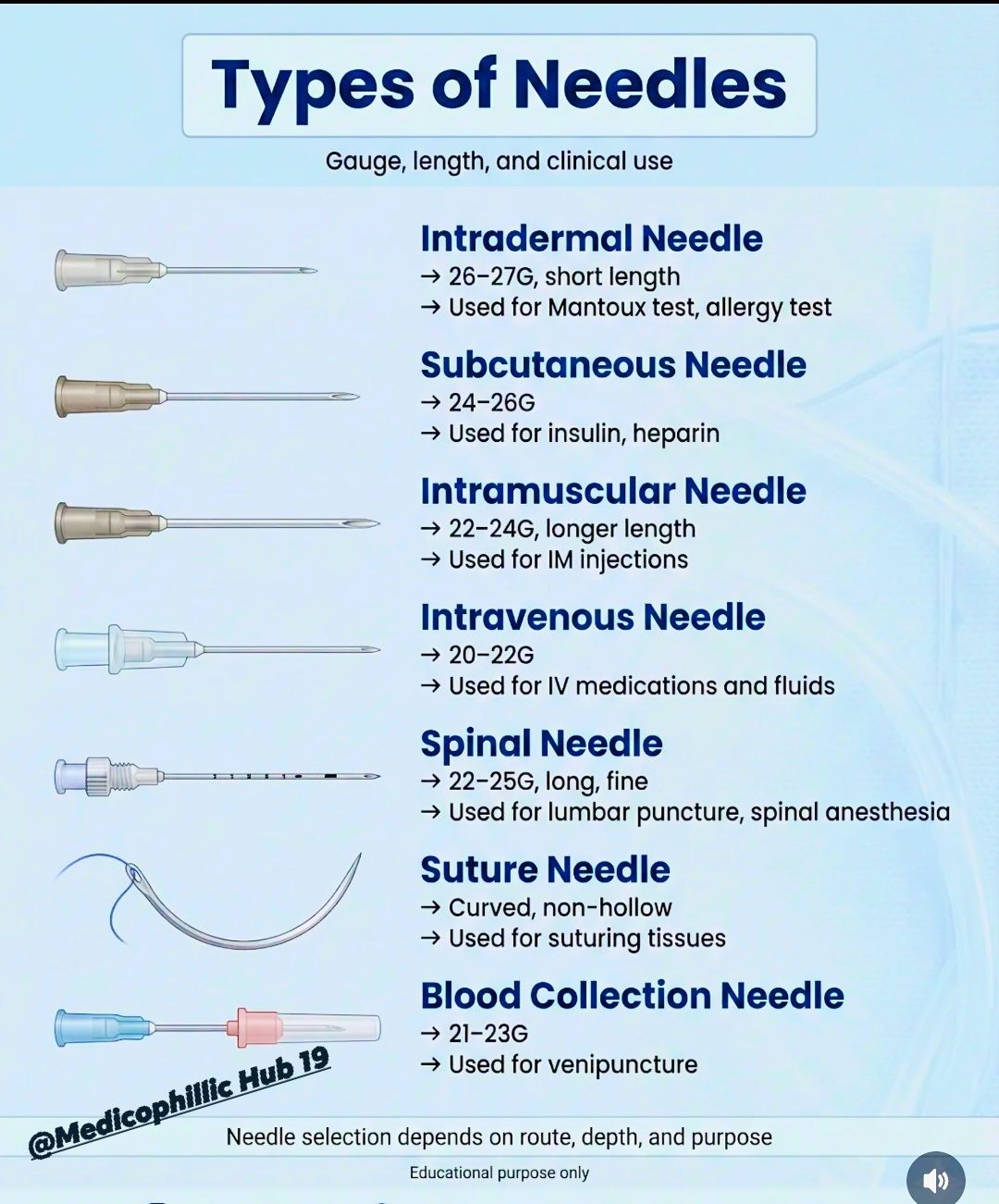
- Clear gauge and length: Needle “size” is commonly expressed as gauge (thickness) and needle length. Match what your plan calls for.
- Correct syringe type: Many people use syringes compatible with the medication format (often a pre-drawn single-dose or a vial). Confirm the fill/volume compatibility.
- Expiration dates: Don’t buy out-of-date supplies.
- Reputable seller: Avoid unknown listings that don’t clearly state sterile status, product specs, and sourcing.
- Storage and handling: Your medication may have storage rules; supplies also matter for integrity (keep packaged items dry and undamaged).
For the B12 medication itself, commonly used formats include hydroxocobalamin and cyanocobalamin. Your prescription (or clinician plan) should specify which one and the dose (for example, “1 mg per mL” type labeling). Your needle and syringe choice should align with the volume you’re drawing and injecting—not a generic internet guess.
Consumer buying tip: If a product listing doesn’t clearly state needle gauge/length and sterile status, treat it as a red flag and move on.
Comparison of Common Options
| Format | Typical Dose/Use | Pros | Cons | Cost | Best For |
|---|---|---|---|---|---|
| Needles + syringes (separate items) | Use with prescribed B12 vial/ampoule drawing volume | Flexibility to match gauge/length and syringe size | More room for mismatch if specs aren’t confirmed | Often moderate per month (varies by region and pack size) | People who already know exact specs |
| Pre-packaged injection supply kit | B12 shot setup for a set number of sessions | Lower decision fatigue; includes basics like swabs/labels/sharps | May not match your precise needle length/gauge requirements | Often higher than buying items separately | First-time buyers prioritizing a complete checklist |
| Local pharmacy/medical supply counter | Same-day pickup for clinician-approved supplies | Easier to ask questions about specs and compatibility | Selection may be limited; hours/location constraints | Variable; sometimes competitive | People who want minimal uncertainty before injecting |
| Online pharmacy/medical supply delivery | Bulk supply for repeated sessions | Convenient; often multiple needle spec options | You must verify sterile status, gauge/length, and expiration | Sometimes cheaper per unit when sold in bulk | People comfortable double-checking product specs |
| Clinic-administered injections (supplies not user-bought) | Dose given by clinician; user may bring support items | Technique oversight reduces injection-process risks | You may pay visit fees; may not solve needle sourcing directly | Varies by clinic/insurance; can be more than supplies | People unsure about self-injection or needing monitoring |
Buying Framework and Red Flags
When people search “where can I buy needles for B12 shots,” they often want a quick list of places. But the safer buying framework is to treat needle shopping like purchasing any medical supply: verify specs, verify sterility, and verify legitimacy.
Checklist before you buy needles for B12 shots:
- Spec match: Needle gauge and length match what your plan specifies.
- Compatibility: Syringe type fits your B12 format and draw volume.
- Sterile and sealed: Single-use, sterile packaging with intact seals.
- Expiration date: Not expired; ideally has a reasonable shelf life.
- Sharps disposal: You have a proper sharps container before starting.
- Local rules: Ensure you can legally purchase the equipment where you live.
- Seller transparency: Clear product page details; no vague “medical use” claims without specs.
- No substitutes without confirmation: Don’t switch needle sizes because “it seems close.”
Red flags: Unclear needle size, missing sterile statements, bulk products without detailed labeling, oddly low prices for medical-grade sterile items, and listings that don’t show expiration dates or specifications.
Common Mistakes and How to Avoid Them
- Mistake: guessing needle size. Fix: confirm gauge and length from your dose plan or clinician guidance; don’t rely on generic charts.
- Mistake: forgetting the full supply set. Fix: plan for swabs, gauze, and sharps container—needles alone are not the whole process.
- Mistake: using damaged or questionable packaging. Fix: if the seal is broken or the product looks compromised, don’t use it.
- Mistake: rushing the preparation. Fix: set a clean workspace, wash hands, and slow down. Most “pain” complaints come from rushed technique rather than the concept of injection itself.
- Mistake: assuming improvement equals correct treatment. Fix: track outcomes and symptoms. If you don’t feel any changes, the issue may be the cause—not the needle.
- Mistake: ignoring reactions. Fix: stop and seek medical help if you develop concerning symptoms (worsening swelling, signs of infection, allergic-type reactions, or severe pain).
FAQ
Is it proven that you should use B12 shot needles instead of other options?
It’s generally better supported to treat confirmed B12 deficiency than to automatically inject for general wellness. Whether injections are appropriate versus oral or alternative approaches depends on the cause of low B12 (absorption issues vs dietary insufficiency) and your clinician’s guidance.
How long does it take after buying needles for B12 shots to see any difference?
Time varies. Some people notice changes sooner in day-to-day energy, while others take longer. Your best “consumer metric” is tracking symptoms and functional changes over weeks, alongside any follow-up labs your clinician recommends.
What side effects are common with B12 injections and the needle process?
Common injection-related effects include mild soreness, bruising, or local irritation. More concerning side effects are less common but can include allergic reactions or signs of infection—if those occur, stop and get medical help.
Can I combine B12 injections with other supplements or treatments?
Combining supplements can be fine for many people, but it depends on your specific regimen (other vitamins, iron, medications, and underlying conditions). The cautious approach is to check with a clinician or pharmacist, especially if you’re managing anemia or neurologic symptoms.
Oral vs injection: what are the practical differences if I’m buying needles for B12 shots?
Oral B12 can be effective for many people, but injections may be chosen for certain absorption problems or clinical scenarios. The “practical difference” for you as a buyer is that injections require additional equipment (needles/syringes, sharps disposal, and technique considerations), while oral options usually don’t.
A Practical 2-Week Experiment Framework
If you’re considering B12 injections and you’ve already confirmed the route with a clinician, use a 2-week tracking window to evaluate tolerability and whether anything changes for you. This isn’t about guaranteeing results—it’s about avoiding guesswork.
Day 1 (Setup):
- Confirm the exact B12 formulation and the dose schedule from your clinician.
- Assemble supplies: sterile needles/syringes, alcohol swabs, gauze, and a sharps container.
- Write down baseline metrics: energy, sleep quality, mood, concentration, and any symptoms you care about (fatigue, tingling, etc.).
Days 2–7 (Tolerability + notes):
- Track injection-site soreness (none/mild/moderate), bruising, and any unusual symptoms.
- Write down exact timing (morning/evening), routine consistency, and any missed steps.
- If you notice a pattern of increasing discomfort across attempts, treat that as a process red flag and reassess needle specs/technique guidance.
Days 8–14 (Outcome signal):
- Re-rate your baseline symptoms using the same wording and scale.
- Note any side effects that worsen or persist beyond mild soreness.
- Decide whether to continue within your planned schedule—or pause and contact your clinician if something feels “off.”
Stop-and-seek-help triggers: Signs of infection (increasing redness, warmth, pus), severe allergic-type symptoms, or severe pain that doesn’t match your expected injection discomfort.
About the Author
Riley Morgan Reviews is a consumer-focused health supply reviewer and former pharmacy technician trainee who has tested and compared common injection-supply buying experiences (shipping, packaging clarity, expiration checking, and “spec match” accuracy) across multiple brands and retailers. Riley’s work emphasizes practical checklists and failure-case reporting rather than performance claims. This article is for informational purposes only and does not replace medical advice, diagnosis, or treatment. If you’re trying to decide whether B12 shots are appropriate for you or how to administer them safely, consult a licensed healthcare professional and follow local regulations for medical supplies.
Disclosure: Prices and availability vary by location and time; this consumer guide does not provide guarantees about cost, delivery, or compatibility.
Discussion