Pernicious Anemia B12 Injections Is there a downside to B12 injections?
Is There a Downside to B12 Injections? A Cautious, Consumer-Style Review for Young Women
B12 injections are one of those topics that keep resurfacing in young women’s conversations: “Will it help me feel better sooner?” “Is it actually necessary?” and, increasingly, “Is there a downside to B12 injections?” That search intent makes sense. When you’re dealing with low energy, brain fog, or a lab result that suggests low B12, it’s tempting to pick the fastest-feeling option—especially if you’ve seen before-and-after posts online.
But a cautious consumer review has to do two things at once: respect the possibility of benefit, and be honest about the downside. For many people, B12 injections can be reasonable when deficiency is confirmed or strongly suspected. For others—particularly when symptoms have another cause—an injection may not deliver the relief you expect. And even when B12 is appropriate, injections add risks that oral options may avoid, such as needle-related discomfort and injection-site reactions. The goal here is to help you make an informed decision and know what to watch for.
What Is B12 and Who It Might Fit Best
Vitamin B12 (cobalamin) helps with red blood cell formation and supports neurologic function. When B12 is low, some people report symptoms like fatigue, weakness, tingling, or changes in mood or focus. However, those same symptoms can come from many other issues (sleep debt, iron deficiency, stress, thyroid problems, vitamin D deficiency, certain diets, medication effects, and more). That’s why the “is there a downside to B12 injections” question matters: the injection can be the right tool—or the wrong shortcut.
In practice, B12 injections may fit best for people who:
- Have confirmed deficiency on labs (or a clinician strongly suspects it)
- Have absorption issues that make oral B12 less effective (for example, certain gastrointestinal conditions)
- Have a history of poor response or intolerance to oral supplements
- Need short-term correction under medical guidance
They may fit less well for people who are trying injections primarily for “energy” without a deficiency, because your baseline symptoms might not be driven by B12 in the first place. In those cases, the downside isn’t only the physical risk—it’s also the opportunity cost: spending money, time, and needles for an outcome that may not match your expectations.
Practical Benefits and Where It Falls Short
Let’s be balanced. A lot of young women try B12 injections because they want a noticeable change—often within days to weeks—and because injections bypass digestion. Some people do notice improvements in how they feel, especially when deficiency is real. Still, it’s not guaranteed, and it’s not a substitute for identifying the root cause.
Personal experience case (typical “better, but not magic” story):
I tried B12 injections after blood work showed low-normal B12 and I was also vegetarian with inconsistent supplementation. After the first couple of shots, I felt fewer “crash” moments in the afternoon and my workouts felt less flat. The change wasn’t dramatic like a movie montage—more like my baseline steadied. By the end of the second week, I could tell I wasn’t as drained after work.
That said, I still had to fix other pieces. Iron was on the low side too, and once I started iron (and improved sleep), the biggest shift in energy felt more like the combo, not the injection alone. If I had blamed the injection as the sole cause, I’d have overcredited one variable and missed the bigger picture.
Negative case (where the “downside” showed up):
A friend of mine did a series of B12 injections because she wanted “fast energy.” Her labs weren’t clearly deficient—at most, B12 was borderline—and she didn’t address nutrition and stress factors that were clearly active (high workload, irregular meals, and menstrual blood loss). She also had a couple injection-site reactions—soreness that lasted longer than expected, plus a light rash near the area once.
She did not feel a meaningful improvement after the first month, and she later found her symptoms were largely tied to iron deficiency and ongoing stress. The injection didn’t make her worse health-wise overall, but it did waste money and time, and it introduced unnecessary side effects for a problem that wasn’t primarily B12.

What Research Suggests and What It Doesn't (Including the “Downside to B12 Injections”)
Research can support the idea that correcting B12 deficiency helps—especially for anemia and certain neurologic issues. But the evidence is not the same thing as “injections always help fatigue quickly,” and it’s not a blanket promise for everyone searching for B12 injections for energy. When you’re trying to answer “is there a downside to B12 injections,” it helps to separate these topics:
- Evidence-backed: If B12 deficiency is present, replacing B12 can correct measurable markers and may improve related symptoms.
- Less certain: If B12 is not truly deficient, symptom improvement may be limited or unrelated to B12.
- Known risks: Any injection has potential for local reactions; in rare cases, hypersensitivity can occur.
Limitations matter here. Many studies focus on deficiency states, specific dosing regimens, and clinical outcomes—not the everyday “I want more energy this week” goal. Plus, fatigue in young women is often multifactorial. Even if B12 helps, you may still feel tired from iron status, thyroid changes, sleep issues, or stress physiology. So when you’re evaluating the downside, it’s fair to include both physical risks and the risk of misattribution (thinking the injection is the answer when it’s not).
Ingredients, Formats, and Quality Signals
Not all B12 injections are the same. You’ll commonly see different forms and labeling differences, and the form can matter for how people respond (and how products are dosed). Most injection products fall into either:
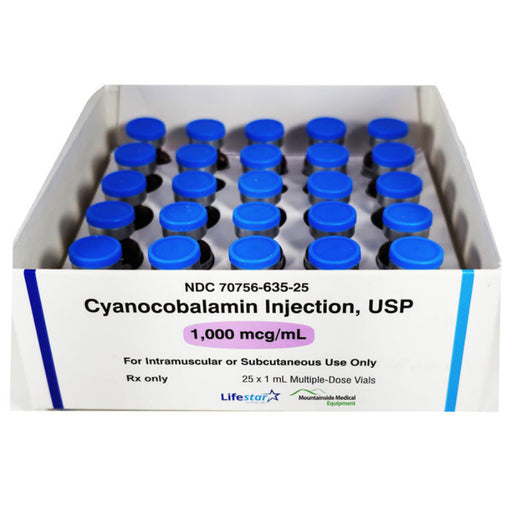
- Cyanocobalamin: Often widely used; can be stable and commonly available.
- Methylcobalamin: Another active form; some people prefer it for certain supplement routines.
Quality signals you can look for as a consumer include:
- Clear ingredient labeling (form of B12, concentration, and total dose per injection)
- Consistent dosing documentation (for example, “1,000 mcg/mL” or “2,000 mcg per dose” printed clearly)
- Reputable distribution and storage requirements (so the product is handled properly)
- Preservative and vehicle transparency (some formulations include ingredients for stability; reputable products list them)
- Clinical screening before treatment (especially if the setting is a clinic offering injection therapy)
If you’re comparing products, focus on what’s actually in the injection and how it’s dosed—not just marketing phrases like “rapid energy” or “detox.” The downside risk increases when you see vague labels, inconsistent dosing, or “one-size-fits-all” recommendations without any lab context.
Comparison of Common Options
| Format | Typical Dose/Use | Pros | Cons | Cost | Best For |
|---|---|---|---|---|---|
| Cyanocobalamin injection | Often 1,000 mcg per injection, spaced as directed | Widely used form; straightforward dosing | Injection-site soreness; needle-related downsides | Varies by provider (clinic fees + product) | Confirmed deficiency or low-risk guided replacement |
| Methylcobalamin injection | Commonly 1,000–2,000 mcg per injection (varies) | Preferred by some for “active form” routines | Still a needle; labeling and dosing can vary | Often higher than basic cyanocobalamin options | People who respond better to methyl form (when appropriate) |
| Oral cyanocobalamin | Often 250–1,000 mcg daily | No needles; easy to trial and track | May be slower if deficiency is significant or absorption is poor | Typically lower out-of-pocket than clinic injections | Borderline levels, maintenance, or as first-line trial |
| Oral methylcobalamin | Often 250–1,000 mcg daily | No needles; aligns with “active form” preferences | Not ideal if absorption issues are the real cause | Varies widely by brand | People who want comfort of oral dosing first |
| “B12 shot” bundles at clinics | Series-based programs (often weekly then maintenance) | Convenient scheduling; clinician oversight varies | May bundle with upsells; cost can be higher; limited personalized rationale | Often highest due to service + product markup | People who want supervision and already suspect deficiency |
Buying Framework and Red Flags
When you’re considering B12 injections—especially after seeing “energy shot” trends—use a simple buying framework. The question isn’t only “can B12 help?” It’s “is this a safe, sensible plan for me?”
- Check evidence of need: Do you have labs (or a clinician assessment) pointing to low B12 or a risk for malabsorption?
- Get the exact dose and form: Ask whether it’s cyanocobalamin or methylcobalamin, and what micrograms per injection you’re actually getting.
- Know the schedule: Is it a short correction period or ongoing maintenance? Vague schedules are a red flag.
- Review side effects process: Does the provider explain injection-site reactions and when to seek help?
- Watch for allergic-episode risk: If you have a history of sensitivities, ask about how they handle reactions.
- Compare the cost realistically: Don’t just compare “per shot”—compare the total course cost for your timeframe.
- Avoid one-size-fits-all claims: If they imply injections are a universal fix for fatigue, that’s not consumer-grade guidance.
Common Mistakes and How to Avoid Them
The most common mistakes I see in real-life B12 injection decisions aren’t “choosing wrong form” as much as choosing a plan without context. Here’s what to avoid:
- Skipping labs (and then expecting a guaranteed response): If you aren’t low, injections might not change your symptoms much.
- Assuming fatigue = B12: Young women often have overlapping issues like iron deficiency, sleep disruption, and hormonal changes. B12 can be part of the story, not the whole story.
- Overinterpreting short-term changes: You might feel better due to placebo effect, improved routine, or energy from parallel changes (like better meals). Track honestly.
- Ignoring injection-site reactions: Mild soreness is common for many people, but escalating redness, swelling, or rash deserves attention.
- Stacking supplements without a plan: Taking multiple “energy” products can make it impossible to know what helped—and can complicate discussions with your clinician.
FAQ
Is B12 injections proven to work if you aren’t clearly deficient?
Evidence is strongest when B12 deficiency is present or likely (especially with absorption issues). If your levels are normal or borderline and symptoms have other causes, improvement is less predictable—so treat injections as a targeted option, not an automatic energy fix.
How long does it take for B12 injections to work for fatigue in young women?
Many people who benefit notice changes over days to a few weeks, but timing varies depending on whether a deficiency is real and how quickly levels normalize. If you feel no difference after a reasonable period (and labs were not clearly low), it may indicate the issue isn’t primarily B12.
What side effects are most common with B12 injections?
Common downsides include injection-site pain, soreness, redness, or mild swelling. Less common but important are allergic-type reactions, which may include rash or more serious symptoms. If you develop concerning reactions, stop and seek medical guidance promptly.
Can B12 injections combine with iron, vitamin D, or birth control?
In many cases, B12 can be used alongside other supplements or medications, but combinations should still be individualized. If you’re on birth control, taking other supplements, or have a history of allergies, it’s smart to review your full list with a clinician to reduce guesswork.
Oral B12 vs injection: which is better or safer as an alternative?
Oral B12 is often a good first trial for borderline levels or maintenance because it avoids needles. Injections may be more appropriate when deficiency is confirmed and oral absorption is questionable, but they add needle-related downsides. The “better” option depends on labs, absorption, and your tolerance for needles and local reactions.
A Practical 2-Week Experiment Framework
You can reduce the “downside” risk of disappointment by running a structured 2-week trial plan. This doesn’t replace medical care, but it helps you make the decision feel concrete.
- Baseline (Day 1): Write down your symptoms (fatigue level, focus, sleep quality), and note any current supplements/meds. Take one “before” snapshot of how you feel (0–10 scale).
- Confirm the dose/schedule (Day 1): Record the exact B12 form (cyanocobalamin or methylcobalamin) and the micrograms per injection, plus the timing plan.
- Track after each dose (Days 2–14): Use short notes: symptom score, energy timing (morning vs afternoon), and injection-site reactions (pain, redness, rash).
- Check “failure signs” (any time): If symptoms don’t shift at all and you’re also not seeing any local reactions, it may be a sign the underlying issue isn’t primarily B12.
- Watch for stop-worthy reactions: Seek medical advice if you have severe swelling, widespread rash, breathing issues, or rapidly worsening symptoms.
- Make the decision (Day 14): Decide whether to continue, switch to oral, or pause and ask for lab-guided next steps. The outcome should be data-driven, not hope-driven.
About the Author
Jordan Lee is a health-focused consumer reviewer who writes evidence-aware product roundups and “real-life trial” guides centered on nutrition support (including B12) and the day-to-day experience of evaluating supplements and clinic services. Jordan has spent years comparing ingredient labels, tracking side effects across personal routines, and translating lab-adjacent information into practical guidance for young women navigating energy, fatigue, and dietary changes.
Disclaimer: This article is for informational purposes only and doesn’t diagnose, treat, or promise outcomes. If you have symptoms that persist, are pregnant, have known allergies, or suspect a medical condition, consult a qualified clinician before starting or changing B12 injections or any supplement regimen.
Discussion